

An arrest warrant is a judicial order authorizing law enforcement to take a named or sufficiently identified person into custody. In the federal system, a judge issues a warrant on a complaint when the supporting complaint or affidavits establish probable cause that an offense occurred and that the defendant committed it. Arrest procedures vary between […]

Default Judgment Laws – Missed Responses, Court Orders, and Relief Procedures
A default judgment can occur when a defendant fails to respond or otherwise defend a lawsuit within the required process. It is not simply an automatic victory the moment a deadline passes. Courts generally require procedural steps confirming proper service, failure to defend, and entitlement to the requested relief. Federal Rule of Civil Procedure 55 […]

Business Loan Guide – Choosing Financing for Your Company
The right business loan is not necessarily the one offering the largest amount or the lowest advertised rate. Financing should match what the company is buying, how quickly that investment is expected to produce cash, and how comfortably the business can handle repayment during slower periods. Match the Loan to the Business Need Start by […]

Customer Retention Strategies – Building Loyalty and Repeat Sales
Winning a customer once is different from giving that person a reason to return. Effective customer retention strategies focus on reliability, useful communication, problem resolution, and a buying experience that remains consistent after the first sale. Loyalty usually grows from repeated proof that a business understands what its customers value. Make the First Purchase Worth […]

Trust Laws Guide – Estate Protection and Beneficiary Rights
A trust creates a legal relationship in which property is managed by a trustee for one or more beneficiaries according to the trust’s terms. Trusts can serve many purposes, from managing assets during life to controlling how property is distributed after death. Trust law is largely state-based, and the rights of settlors, trustees, and beneficiaries […]

Internet Privacy Laws – Protection of Personal Information Online
Internet privacy law in the United States is a collection of federal and state rules rather than one universal privacy statute covering every situation. Different requirements may apply to consumer data, children’s information, financial records, credit reports, communications, health information, location data, and information collected by websites or apps. That fragmented structure explains why privacy […]

LLC Laws Guide – Formation Liability and Compliance Requirements
A limited liability company combines a state-created business entity with flexible federal tax treatment. Forming one, however, involves more than filing a document and adding “LLC” to a business name. Owners need to understand formation rules, liability boundaries, taxes, internal management, and continuing state requirements. How LLC Formation Works LLCs are created under state law, […]

Reckless Driving Laws – Criminal Charges, Fines, and License Penalties
Reckless driving is often more serious than an ordinary traffic ticket. Depending on the state and alleged conduct, it can be treated as a criminal traffic offense and may expose a driver to fines, license consequences, probation, or even incarceration. The conduct required to prove reckless driving varies significantly across jurisdictions. What Can Turn Driving […]

Alimony Laws Explained – Spousal Support Eligibility and Payments
Alimony, also called spousal support or maintenance in some states, is financial support one spouse may be ordered or agree to provide another during or after separation or divorce. Alimony laws differ by state, and an award is not automatic simply because one spouse earns more. Courts typically apply state statutes and case-specific financial facts […]
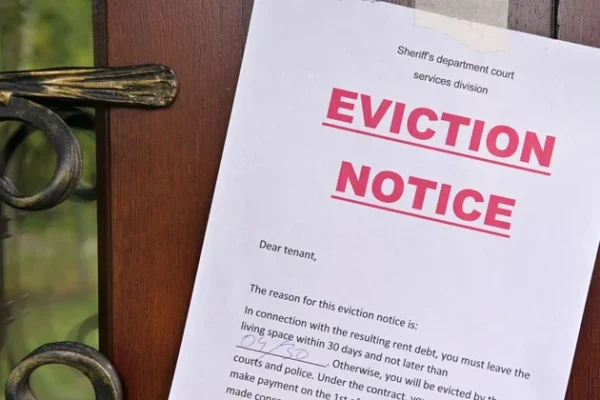
Eviction Laws Explained – Notice Requirements and Tenant Protections
Eviction laws establish the legal process a landlord must generally follow to remove a tenant, but notice periods, permissible grounds, court procedures, and defenses vary substantially by jurisdiction. Receiving a warning or termination notice is not necessarily the same thing as receiving a final court order. Renters facing eviction should identify both the reason stated […]