

Hotel overbooking occurs when a property has more confirmed guests than rooms it can provide. Unlike airline oversales, hotel overbooking is not governed by one nationwide federal compensation formula. The outcome normally depends on the reservation agreement, state contract and consumer-protection law, the circumstances surrounding the booking, and what the hotel does after discovering it […]

Cemetery Plot Laws: Ownership Transfers, Burial Rights, and Maintenance Duties
Buying a cemetery plot does not always mean acquiring ordinary real estate in the familiar sense. Depending on state law and the cemetery’s legal structure, the purchaser may receive an interment right or another limited property interest governed by statutes, cemetery rules, and contractual restrictions. Those distinctions affect who may be buried in the space, […]

School Discipline Laws – Suspensions, Expulsions, and Student Due Process
Public schools may discipline students for violations of school rules, but constitutional and statutory protections can limit how suspensions and expulsions are imposed. Federal due process provides an important baseline, while state law and school-district policies often add procedural requirements. Students with disabilities may also receive separate protections under federal disability law. What Due Process […]

Building Permit Laws – Construction Approvals, Inspections, and Compliance Rules
Building permit laws create the approval process that connects proposed construction with local safety and development requirements. New buildings commonly require permits, while additions, structural alterations, electrical work, plumbing, mechanical systems, and certain changes of occupancy may also trigger review. Exact requirements depend on the authority having jurisdiction and the work being performed. What Happens […]

Copyright Fair Use Laws – Permitted Uses, Factors, and Infringement Risks
Fair use allows some uses of copyrighted material without obtaining permission, but it is not a blanket exception for education, commentary, nonprofit activity, or small excerpts. Section 107 requires a fact-specific assessment, and courts weigh multiple considerations together rather than applying a fixed percentage rule. That uncertainty is why fair use disputes often depend heavily […]
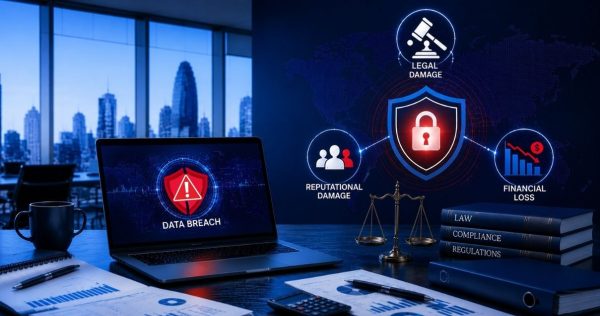
Data Breach Notification Laws: Reporting Deadlines, Notices, and Business Duties
A data breach can create legal duties long before investigators know the full extent of the incident. U.S. breach notification laws determine when affected people, regulators, and sometimes other parties must be informed after protected information is exposed or acquired without authorization. The difficult part is that notification rules vary significantly by jurisdiction. Why State […]

Informed Consent Laws – Risk Disclosure Treatment Choices and Patient Protection
Informed consent laws focus on whether a patient received meaningful information before agreeing to a medical procedure or treatment. The concept reaches beyond signing paperwork. Depending on state law and the type of care involved, the patient may need information about the proposed intervention, significant risks, alternatives, expected benefits, and the option of declining treatment. […]

Insurance Bad Faith Laws – Unfair Denials, Delays, and Policyholder Remedies
An insurance disagreement doesn’t automatically amount to bad faith. The legal issue is usually whether the insurer’s conduct crossed the line established by the law of the applicable state, such as through improper claim handling, unreasonable conduct, or violations of insurance statutes or regulations. The standards and available remedies vary widely because insurance regulation is […]

Debt Validation Laws – Verification Requests, Deadlines, and Collection Restrictions
Debt validation laws help consumers determine whether a collection claim is legitimate, correctly calculated, and connected to the right person. Federal rules require covered debt collectors to provide specified validation information and explain how consumers may dispute the debt. The process is especially important when an account is unfamiliar, has changed collectors, contains unexpected fees, […]

Breach of Contract Laws – Violations, Damages and Legal Remedies
A breach of contract generally occurs when a party fails to perform a contractual obligation without a legally sufficient excuse. Not every disagreement amounts to a serious breach, however. The contract terms, importance of the missed obligation, losses caused, governing law, and conduct of both parties can determine what remedies are available. What Counts as […]