
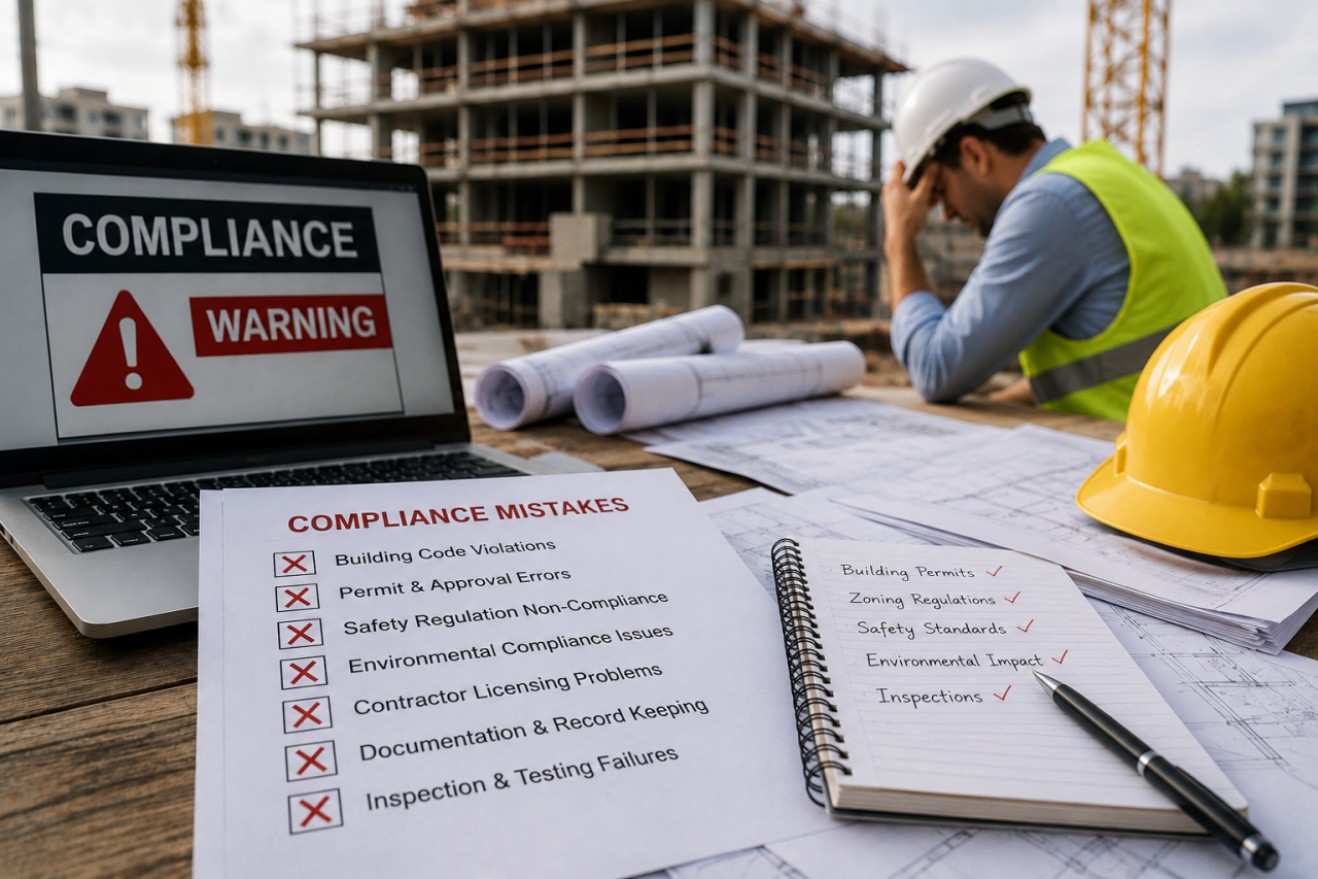
Building permit laws create the approval process that connects proposed construction with local safety and development requirements. New buildings commonly require permits, while additions, structural alterations, electrical work, plumbing, mechanical systems, and certain changes of occupancy may also trigger review. Exact requirements depend on the authority having jurisdiction and the work being performed.
What Happens Before a Permit Is Issued?
A permit application may require drawings, engineering information, site plans, contractor credentials, zoning approval, fees, and other supporting documents. Reviewers compare the submitted project with locally adopted requirements before authorizing construction.
FEMA describes a typical enforcement process in which an application is submitted, plans are reviewed, necessary corrections are addressed, a permit is issued, and inspections occur during construction. FEMA also notes that zoning or planning requirements may be part of the approval process.
People researching projects may encounter nonofficial information pages during early planning. Those materials should not replace instructions published by the building department responsible for the property.
Why Inspections Matter After Approval
Receiving a permit is not the end of compliance. Inspections commonly occur at designated stages so officials can compare completed work with approved plans and applicable codes.
Project financing is a separate issue. Broader internet material may appear while researching costs, but funding a project does not excuse permit conditions, required inspections, or corrections identified by the building authority.
| Stage | Typical Review | Possible Result |
|---|---|---|
| Application | Forms and supporting plans | Accepted or returned |
| Plan review | Code and design compliance | Approval or corrections |
| Construction | Required field inspections | Pass or correction notice |
| Completion | Final compliance | Final approval or occupancy action |
What Happens When Work Starts Without a Permit?
Unpermitted work can create more than an administrative inconvenience. Depending on local law, an authority may require work to stop, order hidden construction exposed for inspection, require revised plans, impose penalties, or demand corrective work before approving occupancy.
Online searches may mix official requirements with unrelated third-party pages. Permit status should instead be verified through the local agency’s records, because requirements can change according to project type and location.
Owners and Contractors Should Define Responsibility
A contract should clearly address who will obtain permits, schedule inspections, respond to correction notices, and pay permit-related costs. Owners should still confirm that required approvals were actually obtained rather than assuming another party handled them.
A permit issued in someone else’s name can also complicate responsibility if the project’s licensing arrangements are improper under local law.
Common Permit Mistakes to Avoid
Owners sometimes assume small projects are automatically exempt. Others believe that hiring a contractor transfers every compliance obligation away from the property owner.
Another mistake is changing the approved design during construction without determining whether revised plans must be submitted. A field change that appears minor can affect structure, fire safety, accessibility, utilities, setbacks, or another regulated feature.
When to Get Professional or Legal Help
Professional help may be appropriate when a permit is denied, a stop-work order is issued, substantial unpermitted construction is discovered, or the building department demands expensive corrective work. An architect, engineer, licensed contractor, or attorney may address different parts of the problem.
Legal advice becomes especially useful when enforcement penalties, appeal rights, ownership disputes, contractual responsibility, or deadlines are involved.
Frequently Asked Questions
Does every home renovation require a building permit?
No. Requirements depend on the type of work and local law. Cosmetic work may be treated differently from structural, electrical, plumbing, mechanical, or occupancy-related changes.
Can I sell a property with unpermitted work?
A sale may still be possible, but undisclosed or unresolved work can create inspection, financing, insurance, disclosure, or buyer concerns. Local rules determine what must be corrected.
Who is responsible for getting the permit?
Responsibility may depend on local law and the construction contract. Even when a contractor agrees to obtain permits, the owner should confirm that required approvals and inspections are completed.
Confirm Approval Before Work Begins
Permit compliance is easiest to manage before demolition or construction starts. Identify the responsible building authority, describe the proposed work accurately, obtain required approvals, and keep copies of plans, inspection reports, and final documents. A short permit check at the beginning can prevent substantial correction costs later.
This article is for general informational purposes and is not a substitute for legal advice from a qualified attorney in your jurisdiction.